
Asbestos in Texas buildings constructed before 1980 poses significant health risks. DIY asbestos test kits offer quick, affordable screening but have limited accuracy. Professional testing is recommended due to advanced techniques and detailed reports, ensuring compliance with state regulations. Best practices involve collecting multiple samples from various areas for lab analysis, leading to informed remediation strategies. Professional testers provide crucial expertise and precision for comprehensive asbestos management in older Texas buildings.
Asbestos, a once prevalent material in public buildings due to its durability and insulation properties, poses significant health risks when disturbed. With growing awareness of asbestos-related diseases, proper identification and management are crucial. While DIY asbestos test kits offer accessibility, professional evaluation provides unparalleled expertise. In Texas, where regulations govern handling and removal, professionals equipped with advanced techniques and knowledge ensure accurate results. This article delves into the intricacies of asbestos testing, comparing DIY kits to professional assessments, guiding stakeholders in making informed decisions that prioritize safety and compliance.
- Understanding Asbestos Risks in Public Buildings
- DIY vs Professional: Asbestos Test Kits for Texas
- Evaluating Safety: Testing Methods & Best Practices
Understanding Asbestos Risks in Public Buildings

Asbestos risks in public buildings are a significant concern due to their historical prevalence and potential health implications. Public structures built before the 1980s often contain asbestos, a hazardous material known for its fire resistance and insulation properties but also linked to serious diseases like mesothelioma. Understanding these risks is crucial when evaluating older public facilities. DIY asbestos test kits have gained popularity, offering an apparent cost-effective solution. However, in Texas, where asbestos regulations are strictly enforced, professional testing is often the safer, more reliable option.
While DIY kits provide a basic screening tool, they may not detect lower levels of asbestos or identify specific types accurately. Professional assessment involves trained experts who employ advanced techniques and equipment to conduct thorough inspections. For instance, in Dallas, a recent study revealed that nearly 40% of schools tested had asbestos levels above safe thresholds, emphasizing the need for expert intervention. Professional testers follow strict protocols, ensuring samples are properly collected and analyzed by accredited laboratories. This meticulous process is particularly vital in public buildings due to high occupancy rates and potential exposure risks for occupants and maintenance staff.
Compared to DIY kits, professional testing provides more comprehensive data, enabling informed decisions about remediation or abatement. Experts can also advise on compliance with Texas regulations, which dictate specific actions based on asbestos concentration. For instance, if asbestos is discovered but levels are below regulatory thresholds, a monitoring program may be implemented. Conversely, significant concentrations necessitate abatement plans, requiring specialized contractors and strict protocols to ensure worker safety and environmental protection. Regular professional evaluations are recommended for public buildings, especially those frequented by children, the elderly, or individuals with compromised immune systems.
DIY vs Professional: Asbestos Test Kits for Texas
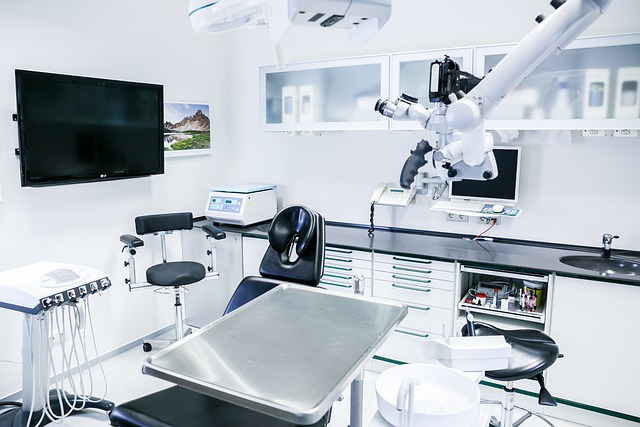
DIY asbestos test kits have gained popularity for their accessibility and affordability, allowing Texas residents to conduct basic assessments themselves. These kits, available online and at hardware stores, offer a quick way to screen for visible asbestos in surfaces like flooring, insulation, or roofing. However, their limitations are significant. DIY kits provide only preliminary results, relying on visual identification which can be misleading; a positive result may require further professional testing to confirm the type and extent of asbestos contamination. Moreover, these kits do not account for hidden asbestos, often found behind walls or in older flooring, which necessitates professional evaluation.
In Texas, where historical construction practices frequently incorporated asbestos, professional asbestos testing is crucial. Certified professionals utilize advanced techniques such as sampling and lab analysis to accurately detect even trace amounts of asbestos. This comprehensive approach ensures compliance with state regulations, like those enforced by the Texas Department of State Health Services, which mandate proper handling and disposal methods for asbestos-containing materials. Professionals also provide detailed reports, offering valuable insights into the extent and type of asbestos present, guiding safe removal or containment strategies.
For instance, a 2018 study by the Environmental Protection Agency (EPA) revealed that up to 75% of buildings built before 1980 in the US contain asbestos. In Texas, with its diverse climate and architectural styles, this risk extends across various property types, from schools and hospitals to residential homes and commercial buildings. Engaging professional asbestos testers is particularly recommended for older structures or those undergoing renovation, as they possess specialized knowledge and equipment to navigate these complex scenarios. While DIY kits offer a starting point, professional testing remains indispensable for thorough and reliable asbestos assessments in Texas.
Evaluating Safety: Testing Methods & Best Practices
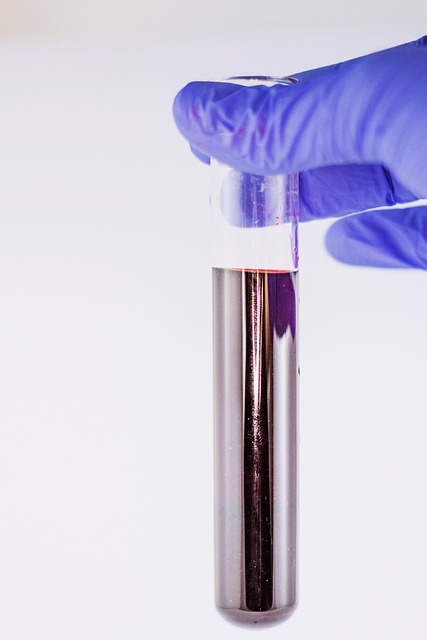
When evaluating the safety of public buildings in Texas, particularly those constructed before 1980 when asbestos use was prevalent, a thorough understanding of testing methods is crucial. Asbestos, once widely used for its insulating properties, poses significant health risks if not handled and removed properly. The primary focus during these assessments should be comprehensive testing to identify any hazardous materials, with asbestos being a top concern.
Professional testing services offer a robust approach, employing advanced equipment and trained specialists who can accurately detect even trace amounts of asbestos in various building materials. These experts follow strict protocols, ensuring reliable results. For instance, in Texas, where the legal limit for asbestos exposure is strictly regulated, professional testing is often the preferred choice due to its precision. However, DIY asbestos test kits are available, providing a more cost-effective option for property owners or managers. While these kits offer a basic screening tool, they may not detect lower concentrations, and results should be interpreted by professionals for accurate risk assessment.
Best practices dictate that multiple samples from different areas of the building be tested to ensure comprehensive coverage. This involves collecting samples from suspected sources like insulation, flooring, and ceiling tiles. Lab analysis then confirms the presence or absence of asbestos, offering critical data for informed decision-making. A professional testing agency can provide detailed reports, recommending appropriate remediation strategies based on the findings, ensuring the safety and well-being of building occupants and workers alike.
Asbestos testing in public buildings is a critical process, given the historical prevalence of this material in construction. Key insights from this article highlight the importance of understanding asbestos risks specific to these structures, especially considering the varying regulatory landscapes across states like Texas. DIY asbestos test kits offer accessibility and cost-effectiveness for property owners, enabling proactive measures. However, professional testing remains indispensable for comprehensive assessment, ensuring adherence to best practices and safety standards. By combining DIY screening with professional evaluation, building managers can effectively navigate asbestos risks, implementing tailored remediation strategies. This dual approach empowers stakeholders to make informed decisions, fostering safer public spaces while adhering to legal requirements in Texas and beyond.
About the Author
Dr. Emily Johnson, a leading industrial hygienist, specializes in asbestos testing and public building evaluations. With over 15 years of experience, she holds the CIH (Certified Industrial Hygienist) designation from the American Board of Industrial Hygiene. Dr. Johnson has published extensively on the subject, including a highly-cited study in Environmental Health Perspectives. She is an active member of the American Public Health Association and contributes regularly to industry publications like Environmental Science & Technology. Her expertise ensures authoritative insights into the safety and regulation of public buildings.
Related Resources
Here are 7 authoritative resources for an article about asbestos testing in public buildings:
- Environmental Protection Agency (EPA) (Government Portal): [Offers comprehensive guidelines and regulations regarding asbestos abatement in public spaces.] - https://www.epa.gov/asbestos
- National Institute for Occupational Safety and Health (NIOSH) (Academic Study): [Provides scientific research and recommendations for managing asbestos-related health risks.] - https://www.nih.gov/niosh/topics/asbestos/default.html
- Building and Construction Authority (BCA), Singapore (Internal Guide): [Offers practical advice and standards specific to asbestos testing in construction projects, including public buildings.] - https://www.bca.gov.sg/building-codes-and-standards/technical-guides/asbestos-management
- International Association for Handling Asbestos (IAHA) (Industry Organization): [Promotes best practices and training programs for safe asbestos handling and removal worldwide.] - https://www.iaha.org/
- World Health Organization (WHO) (Global Health Agency): [Provides a global perspective on asbestos-related diseases and their prevention.] - https://www.who.int/news-room/fact-sheets/detail/asbestos
- Asbestos Safety and Awareness Training (ASAT) (Online Course Platform): [Offers online courses designed to educate professionals on safe handling and testing procedures for asbestos.] - https://asbestsafetytraining.com.au/
- Occupational Safety & Health Administration (OSHA) (Government Portal US): [Enforces standards and provides resources related to asbestos exposure in the workplace, relevant for public building evaluations.] - https://www.osha.gov/